
Gentle gastroscopy in Vienna
Gastroscopy
Screening and preventive care in Vienna
A gastroscopy is used to investigate symptoms of the oesophagus, stomach, or duodenum, as well as for preventive medical care. At our office in Vienna, we perform this examination using modern technology and extensive experience to ensure a safe and as comfortable diagnosis as possible.
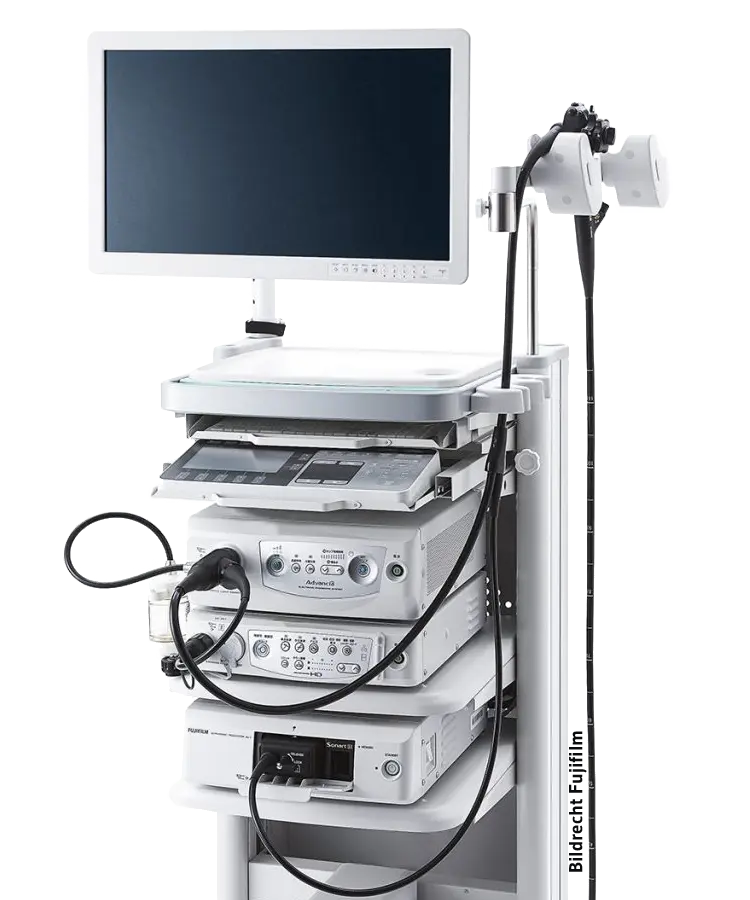
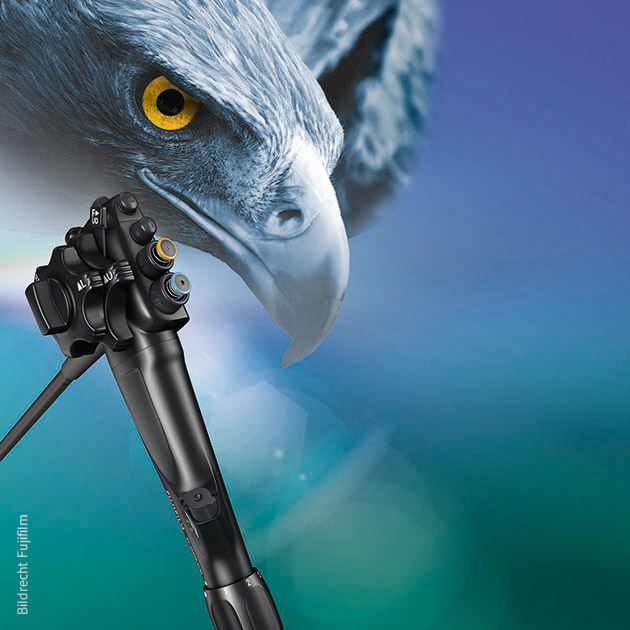
During the procedure, a thin, flexible plastic tube (gastroscope), approximately 5 mm in diameter and equipped with a light and camera, is carefully inserted through the throat. The high-resolution images are displayed in real time on a monitor, allowing precise detection and assessment of any changes in the mucosal lining.
This method enables a reliable and informative diagnosis, both for clarifying symptoms and for preventive screening and early detection of diseases.
Gastroscopy is usually performed on an outpatient basis. To ensure optimal conditions, you should not eat or drink anything for about 6 hours before the examination. The procedure itself is painless but may feel unfamiliar. If desired, it can be made significantly more comfortable with a sedative or short sedation.
After the examination, we will discuss the results with you in detail and jointly determine the next steps.
Our services
Gentle examination
The gastroscopy is performed using modern equipment and is designed to be as comfortable as possible for you.
Precise diagnostics
The oesophagus, stomach, and duodenum can be examined reliably and in detail.
Rapid evaluation of symptoms
Symptoms such as heartburn, pain, or nausea can be specifically evaluated.
Outpatient procedure
The examination is performed at our office in Vienna, and you can go home afterwards.
Short examination time
The actual examination usually takes only a few minutes.
Personal care
From preparation to follow-up consultation, we provide individual and personal support.
Frequently asked questions about gastroscopy
- When is a gastroscopy performed?
We perform a gastroscopy when certain symptoms in the gastrointestinal tract need to be evaluated.
- What preparations are required?
The examination is performed on an empty stomach. To allow for a reliable assessment, the area being examined must no longer contain any food residue. This means that, as a rule, you should not eat or drink anything for 6–8 hours before the examination.
- Is a gastroscopy painful?
No. A gastroscopy may be perceived as uncomfortable, but it is generally associated with little to no pain.
- When can I eat and/or drink again?
If your throat was anaesthetised, you should wait after the examination until the numbness has completely worn off. In most cases, you can eat and drink again after about 60 minutes. This reduces the risk of choking.
- When can I resume sport?
If the examination was performed without sedation, you can resume physical activity immediately after leaving the office. If a sedative was used, you should allow your body some rest for the remainder of the day.
- How does a gastroscopy work?
A gastroscopy is usually performed on an outpatient basis. For the examination, a thin plastic tube (gastroscope) equipped with a light and camera is inserted into the throat. The gastroscope is then gently advanced through the oesophagus into the stomach and/or duodenum. The camera transmits the images to a monitor. Air is introduced to make any changes more clearly visible. If necessary, tissue samples can be taken directly using small forceps attached to the gastroscope. After the examination is complete, the gastroscope is carefully withdrawn.
- How long does the procedure take?
On average, the examination takes between 10 and 15 minutes.
- What are the risks?
Complications during gastroscopy are very rare. These may include, for example, injuries to the oesophagus, stomach, or duodenum, as well as cardiac arrhythmias. Most commonly, patients notice a slight numb sensation in the throat area and associated hoarseness after the examination. However, this usually improves very quickly.
- Can I drive after the examination?
If a sedative has been administered, you are not allowed to drive on the same day. If you rely on a car, we recommend that you arrange to be picked up after the examination.